Malawian businesses risk tougher scrutiny of their operations, with government proposing to link human rights compliance to public procurement, business licensing and regulatory inspections.
This is part of a new five-year National Action Plan on Business and Human Rights that runs from 2026 to 2031, which seeks to ensure companies respect workers’ rights, protect surrounding communities and take responsibility for the social and environmental impact of their activities.
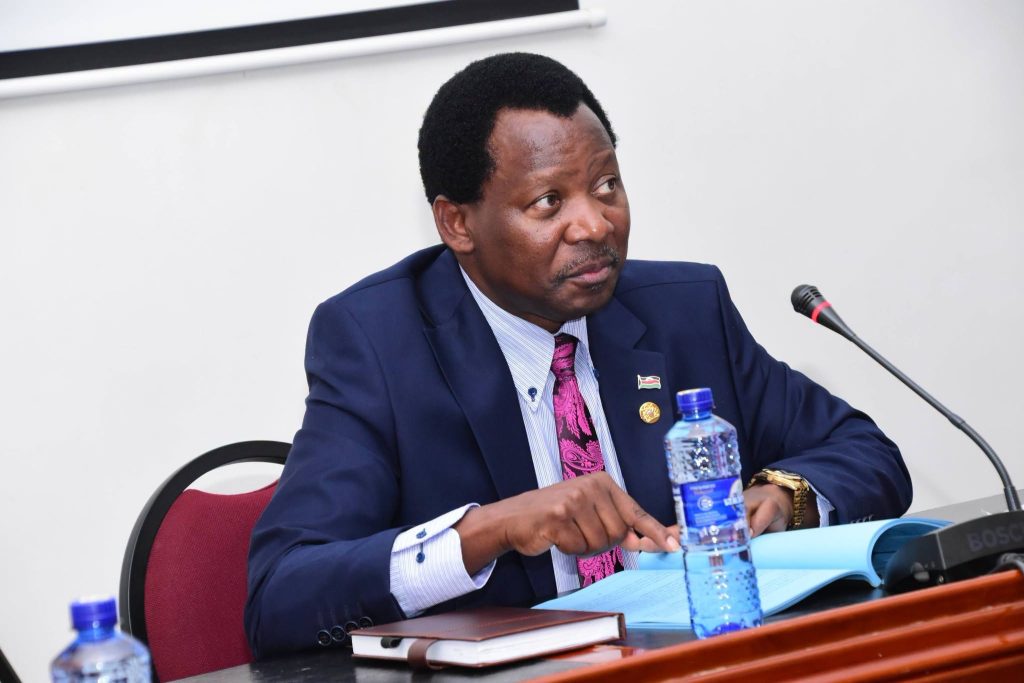
In the foreword to the plan, Minister of Justice and Constitutional Affairs Charles Mhango said economic growth and employment creation should not come at the expense of human dignity and fundamental rights.
He said: “The adoption of Malawi’s National Action Plan on Business and Human Rights [NAP-BHR] marks an important milestone in the country’s continuing efforts to harmonise economic development with constitutionalism, the rule of law and the protection of fundamental human rights.
“The NAP-BHR reflects the Government of Malawi’s recognition that business activity while essential to economic growth, employment creation and national development, must be conducted in a manner that respects human dignity, promotes social justice, safeguards the environment and ensures accountability.”
On her part, Solicitor General and Secretary for Justice and Constitutional Affairs Gertrude Hiwa said the plan brings together different stakeholders in addressing the human rights challenges associated with business activities.
She said: “The Ministry of Justice and Constitutional Affairs recognises and acknowledges that the development of the NAP-BHR has been a collective endeavour.
“All the contributions recognised herein exemplify the collaborative spirit that is required to advance responsible business conduct, strengthen governance and promote human rights in Malawi.”
Speaking at the launch in Lilongwe on Thursday, United Nations Development Programme resident representative Fenella Frost said the plan will not only protect human rights, but also strengthen investor confidence and improve Malawi’s competitiveness in attracting responsible investment.
She said businesses that effectively manage social and human rights risks are more resilient, attracted more investment and faced fewer disruptions, positioning them for long-term profitability.
Malawi Human Rights Commission executive secretary Habiba Osman said businesses are central to the country’s development, but warned that without adequate safeguards, business operations can harm workers and communities.
She cited labour rights, environmental protection, land acquisition and access to justice as areas where communities are particularly vulnerable to harm.
Osman said the United Nations Guiding Principles on Business and Human Rights are built on three pillars, namely the State’s duty to protect human rights, businesses’ responsibility to respect them and access to effective remedies for violations.
Youth and Society executive director Charles Kajoloweka called on the government to provide adequate funding and ensure that the plan is fully implemented.
He also urged authorities to enact legislation making human rights due diligence a legal obligation for businesses and to introduce laws protecting whistle-blowers who report human rights violations.
The proposed changes come against a background of weak enforcement, fragmented regulation and limited institutional capacity, which have left some communities exposed to abuses linked to business operations.